How to choose your first guitar amp: beginner buying guide

Choosing your first guitar amp can feel overwhelming, but it doesn't need to be. An amp makes your guitar loud enough to hear properly through a speaker, and while practising unplugged is useful, using an amp gives you volume, tone, and effects, transforming your playing experience. Even as a beginner, you'll need one, but you don't need anything advanced to get started. This guide helps you find the right amp for where you'll play, the music you want to make, and what matters most at this stage.

Think about how you’ll use your amp
• Where you’ll be playing most often
• Whether you’ll need to practise quietly
• If you’ll need to carry your amp around regularly
• Whether you want simplicity or lots of sounds to experiment with
Find your amp type
• For everyday home practice and quiet playing: Look for a small combo amp with a headphone output, ideal for silent or low-volume practice at home.
• For taking your amp to lessons, rehearsals or gigs: A smaller combo amp is easier to carry and fits better into everyday beginner setups.
• For a simple beginner setup: Go for a plug-in-and-play combo amp with basic controls to get started quickly.
• For experimenting with different sounds: Choose a digital amp with built-in effects and multiple sound options for greater flexibility when exploring tone.
• For playing with others or in a band: Opt for a more powerful amp so you have enough volume to keep up in a group.
• If you’re unsure: Most beginners start with a small combo amp with a headphone output because it works well in most home setups.
Features to look out for
• Headphone output for quiet practice
• Built-in effects (such as reverb and delay)
• Aux input or Bluetooth for playing along with music
• Simple, easy-to-use controls
• Size, weight and portability that fit your space
What NOT to worry about
Spending a lot on gear when you’re just getting started
Needing separate pedals right away
Fully understanding tone controls (such as gain and EQ) at the start
Fully defining your sound. Most players refine their sound as they play naturally.



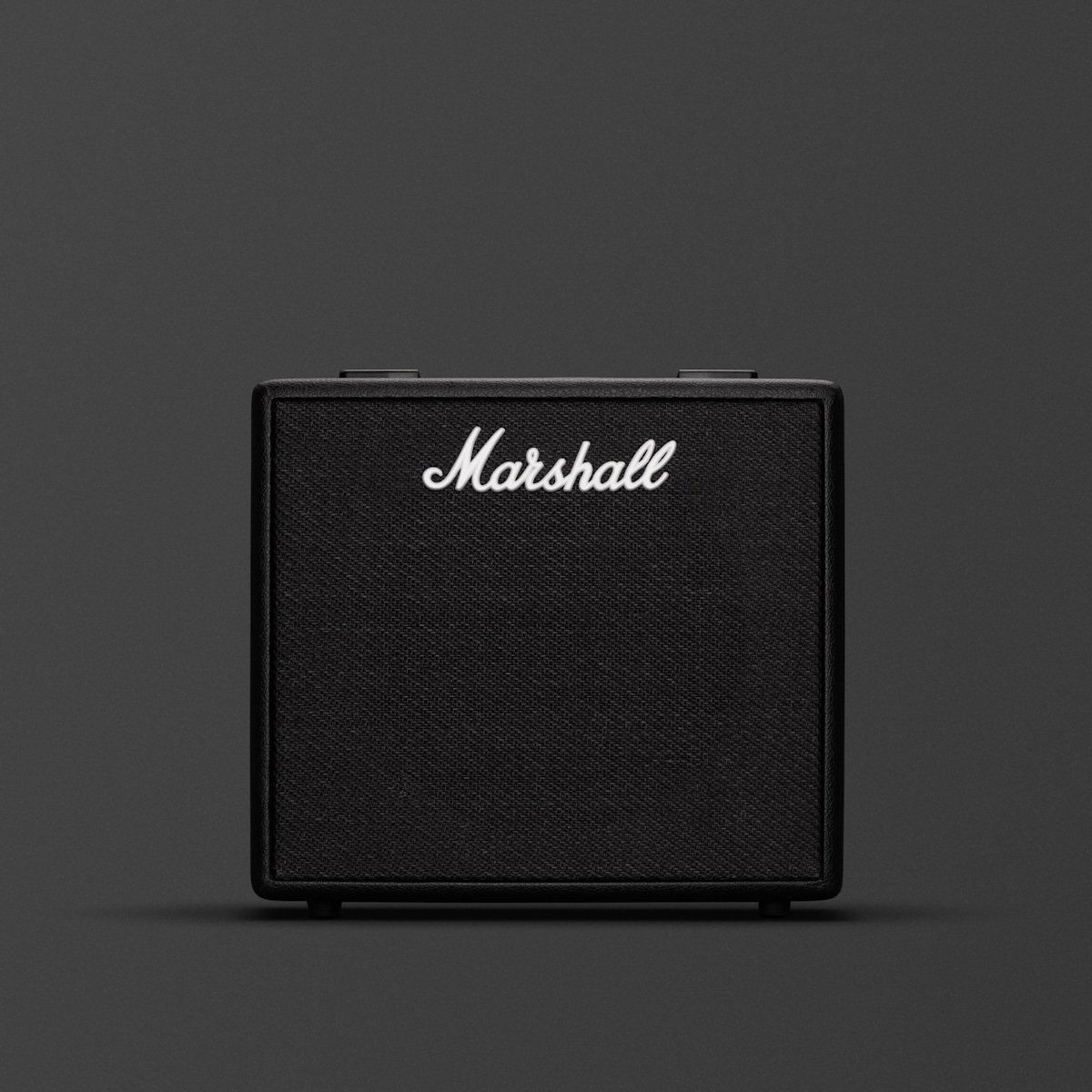

What size and wattage amp is best for beginners?
The size and wattage of the amp you choose will affect how well it fits in your space and how loud it will be.
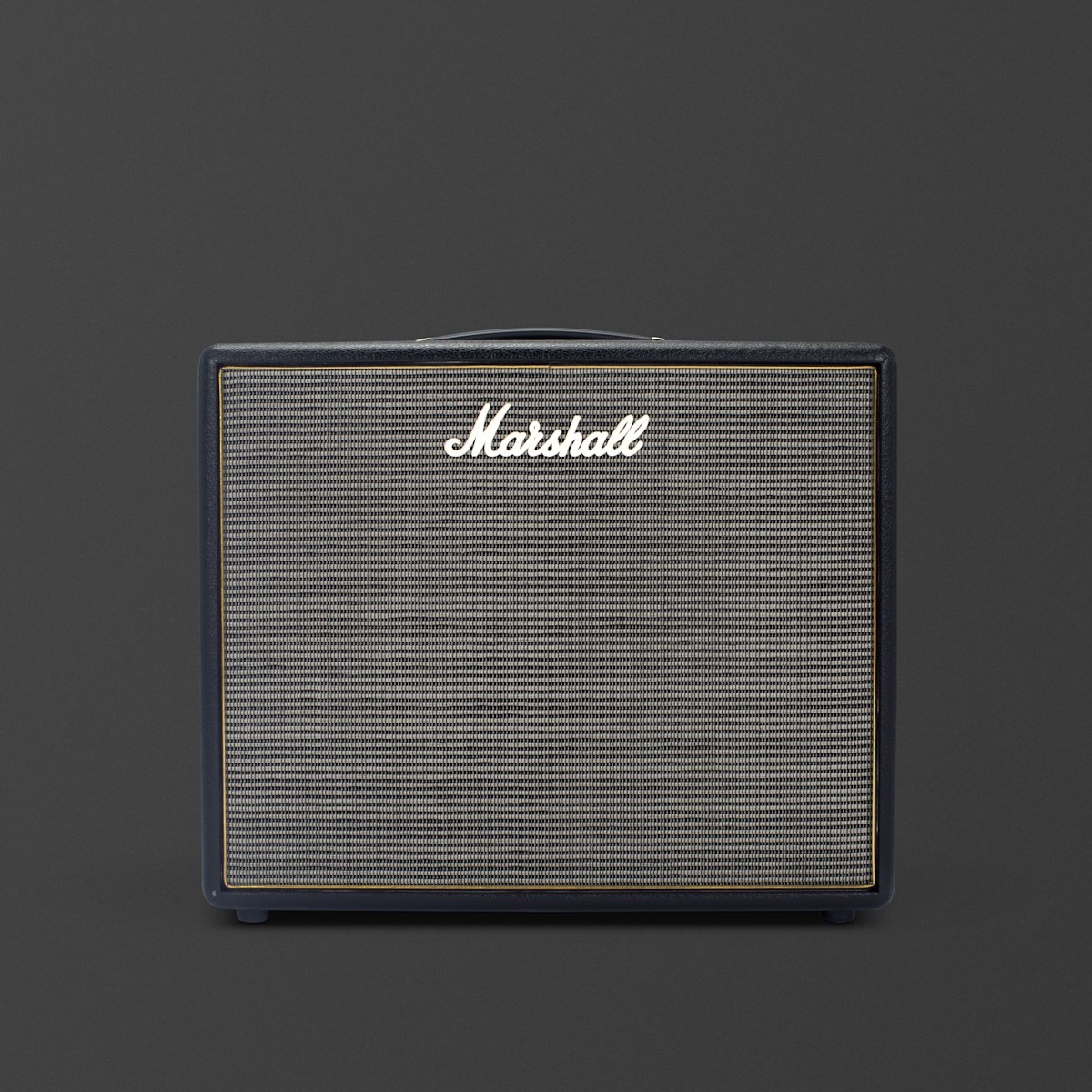
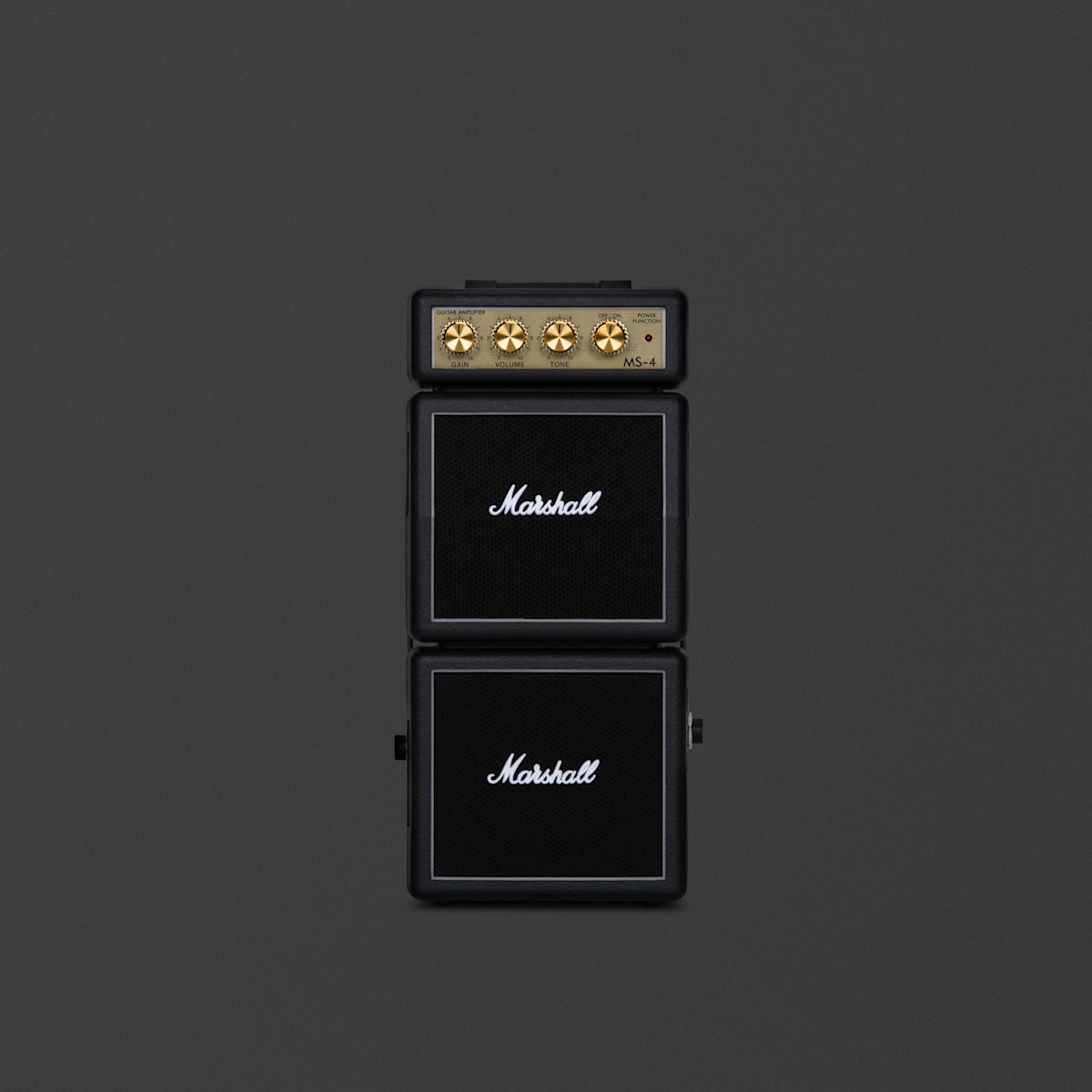
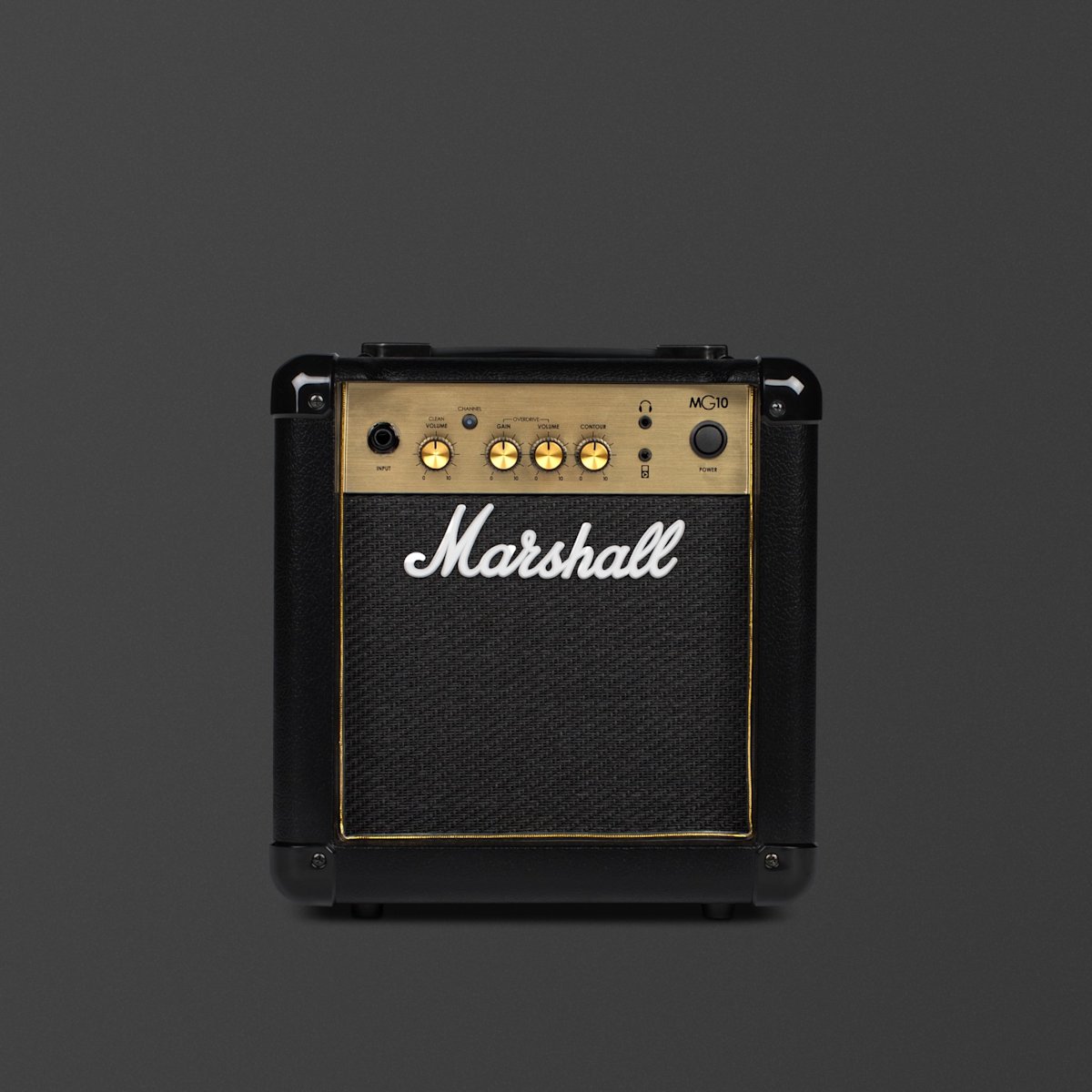
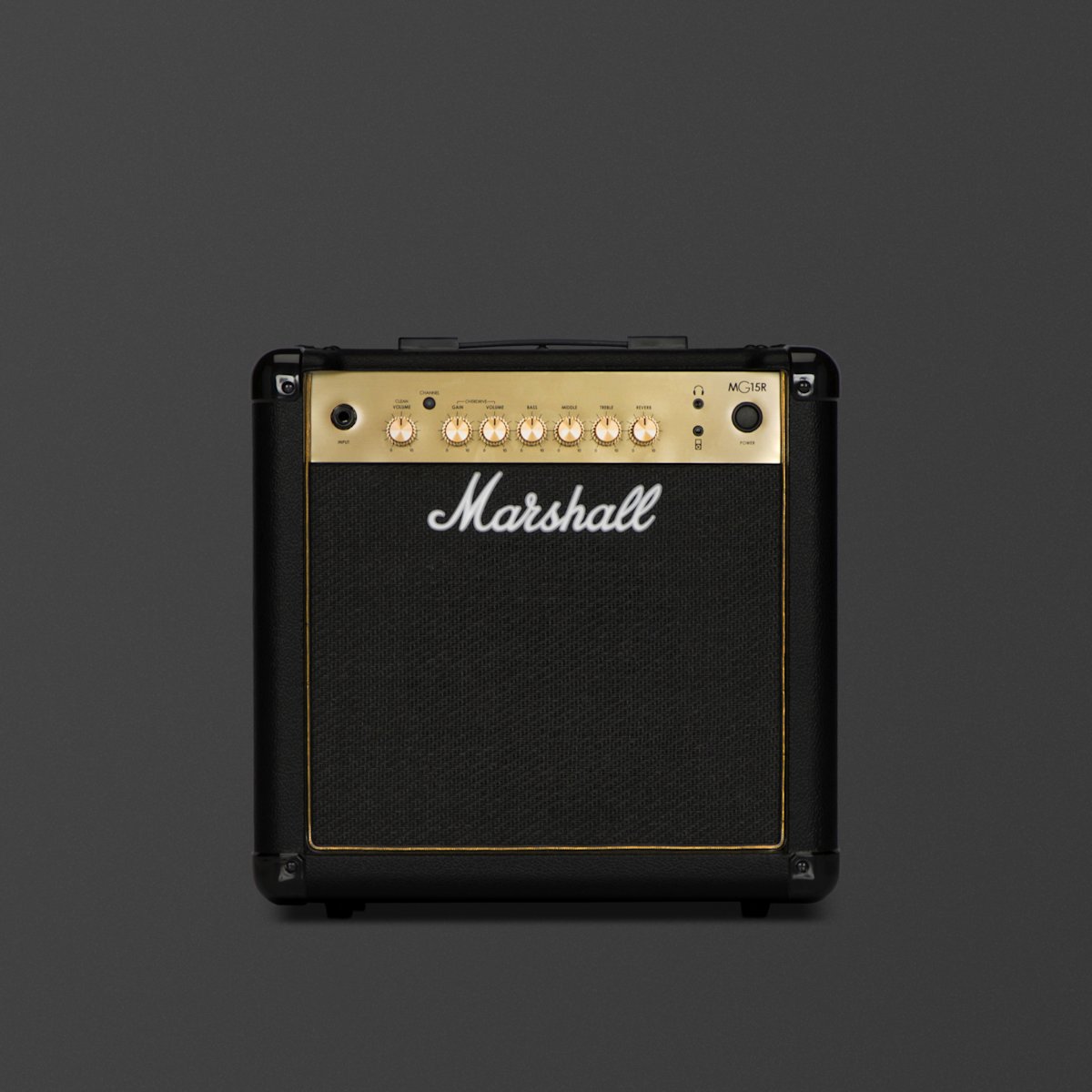
For most beginners, a small combo amp (which houses the amplifier and speaker in one unit) is the best fit. They are easy to set up, take up little space, and usually include useful features such as a headphone output for quiet practice. An amp with 1–20W is plenty for home use.
If you plan to rehearse with a band, you might want a slightly larger amp with 20–50W to be heard clearly over other instruments. Some of these amps feature power-reduction controls, making them flexible enough for both rehearsals and quiet home practice.
We recommend prioritising practicality over power. Remember, higher wattage doesn't always mean greater volume. Some valve amps, even at low wattage, can sound significantly louder than a digital or solid-state amp turned down, something worth keeping in mind if quiet home practice is a priority. The best choice is an amp that suits your current space and needs.

What kind of music will you play on your amp?
Think about the style of music you want to play, as this influences the type of tones you’ll use most on your amp.
Pop, funk and jazz usually rely on clean tones that sound crisp and articulate. Rock and indie often lean towards light overdrive or crunch for more edge and warmth, while metal and heavier styles use high-gain distortion for a more aggressive sound. Blues sits between clean and overdriven tones, depending on how expressive or driven the sound is.


What type of amp should a beginner choose?
There are a few main types of guitar amps, and each one has different strengths. The best option comes down to what you want from your sound and setup, rather than there being one clear right answer.
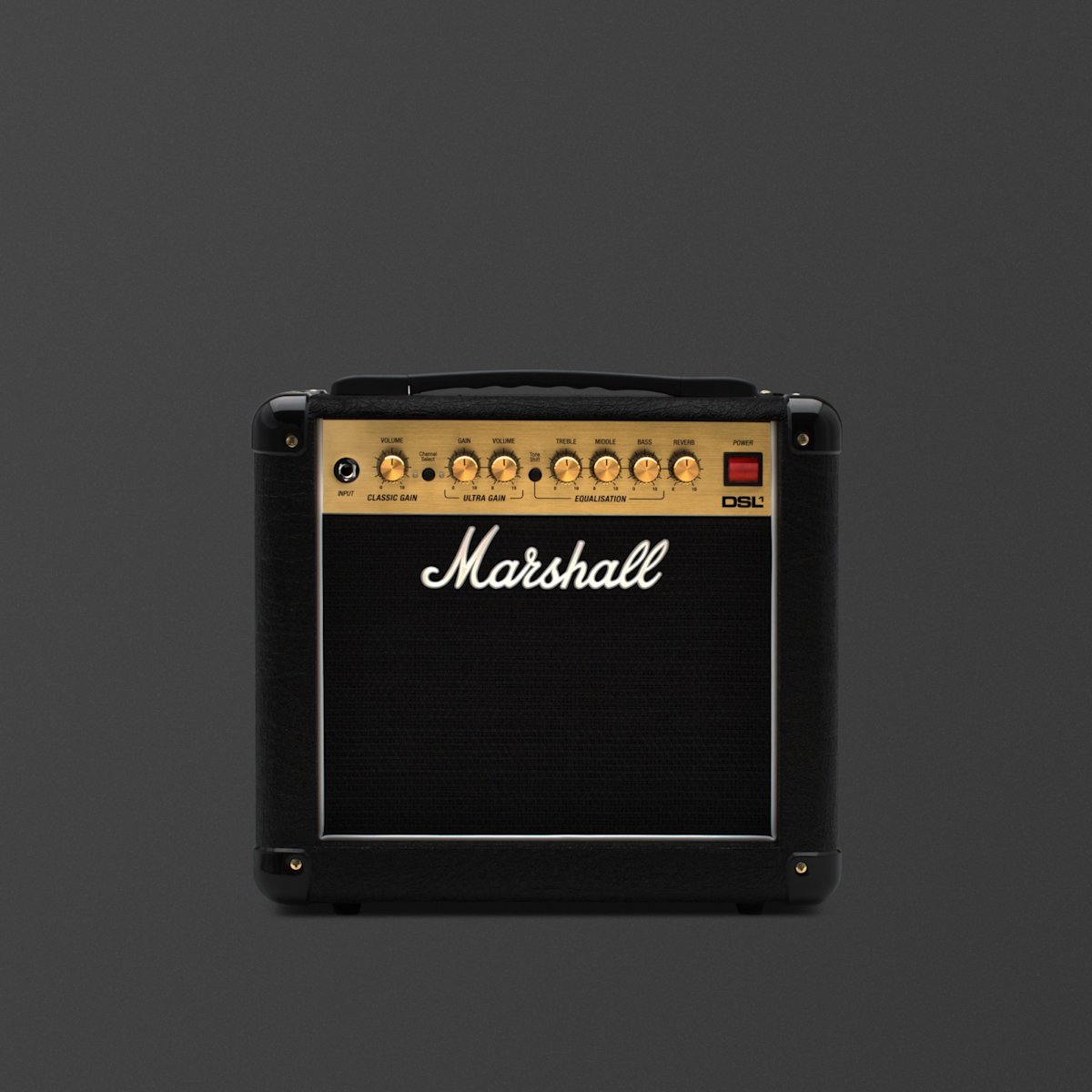
Valve amps, also known as tube amps, use valves to amplify your guitar's sound. They are known for their responsive, dynamic feel that reacts to how you play, giving a more expressive tone. They also tend to be louder than digital or solid-state amps at the same wattage. Best suited to players who want a natural, expressive sound. If this sounds like what you’re after, the DSL5 Combo is a great place to start.
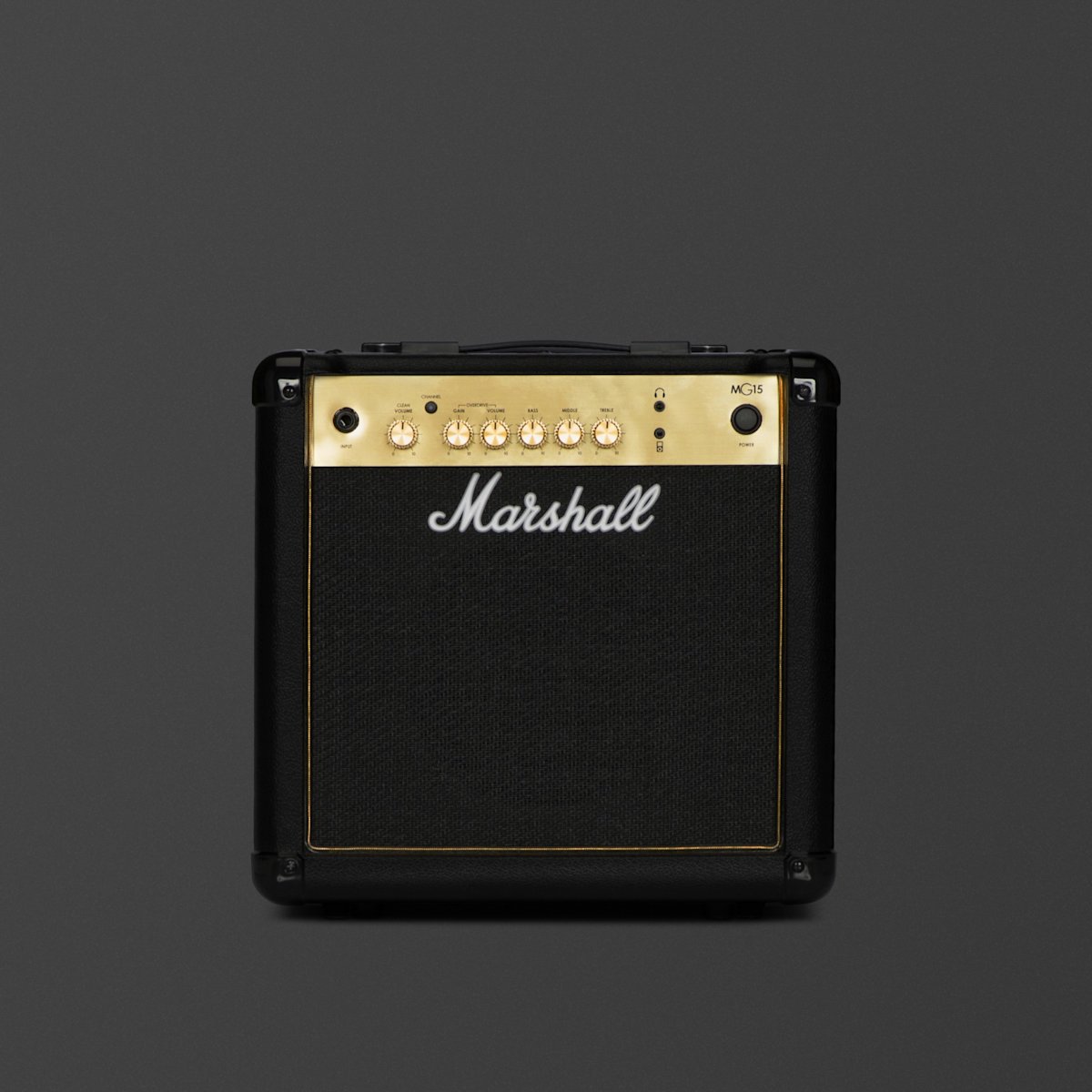
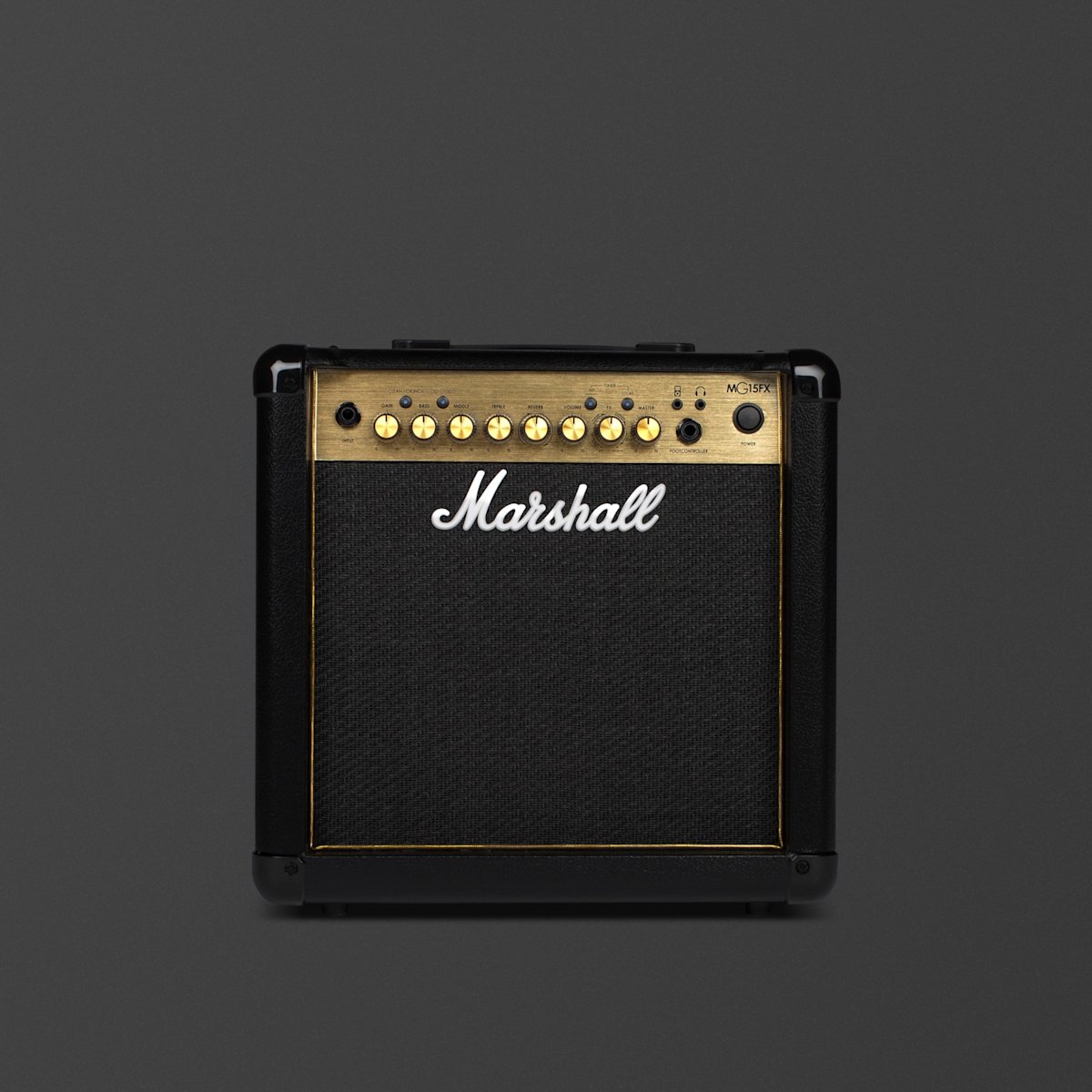
Solid-state amps, also known as transistor amps, use transistors instead of valves. They are reliable, easy to use, and widely used in beginner setups due to their consistency and low maintenance, making them practical for regular home practice. Best suited to players who want something simple and easy to use every day due to their versatility and lower cost. The MG15GR Combo is an ideal choice for players looking for this.
Digital amps use digital signal processing (DSP) to emulate or model the sound of various guitar amps and effects. This gives you a wide range of tones in a single unit, making it useful for experimenting without extra equipment. Best suited to players who want a wide range of sounds from one amp. Looking for a digital amp? We recommend the CODE25 Combo.
All three types can work well for beginners; it depends on whether you prioritise feel, simplicity, or flexibility.
Beginner guitar amp in action
See how a beginner guitar amp works in practice, with a walkthrough of how core controls affect your sound and how an amp responds when you play. This helps bring together the key ideas from this guide so you can hear and see how they work.
How much should a beginner spend on an amp?
You don’t need to spend a lot to get started.
• Budget: a simple, affordable option for home practice, typically covering combo amps with straightforward controls. Best if you want something to get started with quickly. The MG15GR Combo is a great choice in this range.
• Mid-range: a balanced option typically with more flexibility and a wider range of tones, usually unlocking digital amps with built-in effects or more feature-rich combo amps. Good if you want room to explore different sounds. At this level, the CODE25 Combo is an ideal choice.
• Higher-end: typically where you'll find more powerful amps suitable for playing with others or entry-level valve amps if that's the direction you want to go in. We recommend the DSL5 Combo at this level.
The right choice depends on how you plan to use your amp and the level of flexibility you want. If you’re unsure, the mid-range is a useful reference point, but there’s no wrong place to start.

Best beginner guitar amps: recommended picks by use case
• Best bedroom/home practice amp – MG15GR Combo
• Best silent headphone practice amp – CODE25 Combo
• Best amp for playing with others – DSL5 Combo
• Best versatile beginner amp (multiple sounds) - CODE25 Combo
• Best budget amp – MG15GR Combo
• Best overall beginner amp (safe, all-round starting point) - MG15GR Combo

Want to try before you buy?
If you’d prefer to hear and feel an amp in person before deciding, you can visit a local retailer to try different models and see what suits you best.
There isn’t one perfect amp for beginners; most options will work well if they fit your needs and preferences. Focus on where and how you’ll use your amp and let practical needs guide you before considering budget. Most beginners stop worrying about whether they chose the right amp long before they actually outgrow it. When they do upgrade, it’s usually for more volume, more effects, or more tonal flexibility, not because the first amp wasn’t right for them. Choose your first amp confidently, knowing it's just the beginning.
Explore beginner amps